Anthurium Radicans: An Exotic Plant That Will Leave You in Awe
Are you tired of the usual plant choices and want to add something unique and exotic to your collection? Look no further than Anthurium Radicans! This stunning plant is a perfect addition for those who love plants that stand out with their unique charm.
Anthurium Radicans, also known as Miniature Anthurium, is a tropical plant that belongs to the Arum family. With its vibrant green leaves and bright inflorescence, it's hard not to fall in love with this beautiful plant. In this article, we'll dive into everything there is to know about Anthurium Radicans, from its origins to how to care for it.
Origins of Anthurium Radicans
Anthurium Radicans is native to Central and South America, specifically in regions such as Ecuador, Peru, and Bolivia. It's a small plant that typically grows on trees or rocks in the wild. In its natural habitat, it can grow up to 6 inches tall and spread out up to 12 inches wide.
Due to its unique appearance, Anthurium Radicans has been gaining popularity among plant enthusiasts around the world. It has made its way into homes and gardens across the globe, bringing a touch of the tropics wherever it goes.
Characteristics of Anthurium Radicans
Anthurium Radicans is a compact plant with a thick stem and dark green leaves. Its leaves are heart-shaped, and they have a glossy texture. The leaves can grow up to 2 inches long and 1.5 inches wide.
One of the most striking features of Anthurium Radicans is its inflorescence. The inflorescence is a modified leaf that is brightly colored and shaped like a heart. The colors of the inflorescence range from bright red to pink, with some varieties having white or yellow flowers.
The plant's inflorescence can last up to two months, adding a dash of color to your interiors or garden. The Anthurium Radicans is a slow grower, and it takes time to mature. It can take up to five years for the plant to reach its full height and produce flowers.
How to Care for Anthurium Radicans
Anthurium Radicans is a hardy plant that requires minimal care. Here's how you can ensure that your plant thrives:
Lighting
Anthurium Radicans prefers bright but indirect light. Direct sunlight can scorch the leaves, so it's best to keep the plant in a spot where it receives bright, filtered light.
Watering
The Anthurium Radicans does not like to be over-watered. Make sure to water the plant moderately, and allow the soil to dry out between watering sessions. Overwatering can cause root rot, which can damage the plant.
Soil
Anthurium Radicans prefers well-draining soil that is rich in organic matter. The soil should be slightly acidic, with a pH range of 5.5-6.5. You can use a mixture of peat moss, perlite, and sand to create the perfect soil mix for your plant.
Temperature and Humidity
Anthurium Radicans prefers warm and humid conditions. It thrives in temperatures ranging from 60-80°F. If you live in a cold climate, make sure to protect the plant from frost and cold drafts.
Fertilizer
Fertilize your Anthurium Radicans once a month during the growing season (spring and summer). Use a balanced fertilizer, such as 10-10-10, to provide the plant with the necessary nutrients.
Pruning
Anthurium Radicans does not require much pruning. You can remove any dead or yellowing leaves to keep the plant looking neat and tidy.
Propagation
You can propagate Anthurium Radicans through stem cuttings. Take a stem cutting with at least two leaves and place it in water until it roots. Once the cutting has rooted, you can plant it in soil.
Anthurium Radicans: Pests and Diseases
Anthurium Radicans is susceptible to pests and diseases, just like any other plant. Here are some of the common issues that you might encounter:
Pests
- Spider mites: These tiny insects can cause webbing on the leaves, which can damage the plant.
- Mealybugs: These white, fluffy insects can suck the sap from the plant, causing yellowing and wilting of the leaves.
- Scale insects: These insects can cause yellowing and browning of the leaves, as well as stunted growth.
To get rid of these pests, you can use insecticidal soap or neem oil. Make sure to follow the instructions on the label.
Diseases
- Root rot: Overwatering can cause root rot, which can damage the plant's roots and kill the plant.
- Bacterial blight: This disease can cause black spots on the leaves, which can spread quickly and cause the plant to die.
To prevent these diseases, make sure to water the plant moderately and avoid getting water on the leaves. If you notice any signs of disease, remove the affected parts of the plant and treat it with a fungicide.
Anthurium Radicans: Varieties
Anthurium Radicans comes in various varieties. Here are some of the popular ones:
- Anthurium Radicans 'Green': This variety has green inflorescence and dark green leaves.
- Anthurium Radicans 'Red': This variety has bright red inflorescence and dark green leaves.
- Anthurium Radicans 'Pink': This variety has pink inflorescence and light green leaves.
Each variety of Anthurium Radicans has its unique charm, so choose the one that speaks to you the most.
Anthurium Radicans: Where to Buy
Anthurium Radicans is becoming increasingly popular, and you can find it in most plant nurseries or online stores. Make sure to buy from a reputable seller to ensure that you're getting a healthy plant.
: Why You Should Get an Anthurium Radicans
Anthurium Radicans is a unique and exotic plant that will add a touch of the tropics to your home or garden. With its vibrant inflorescence and glossy leaves, it's hard not to fall in love with this beautiful plant. Plus, it's easy to care for and requires minimal maintenance.
So why not add an Anthurium Radicans to your plant collection today? You won't be disappointed!
Frequently Asked Questions
Q1. Is Anthurium Radicans toxic to pets?
A1. Yes, Anthurium Radicans is toxic to pets if ingested. Make sure to keep the plant out of reach of pets and children.
Q2. How often should I fertilize my Anthurium Radicans?
A2. Fertilize your Anthurium Radicans once a month during the growing season (spring and summer).
Q3. Can I grow Anthurium Radicans outdoors?
A3. Yes, you can grow Anthurium Radicans outdoors as long as the temperature is warm enough. It prefers temperatures ranging from 60-80°F.
Q4. How often should I water my Anthurium Radicans?
A4. Water your Anthurium Radicans moderately, and allow the soil to dry out between watering sessions.
Q5. What kind of soil does Anthurium Radicans prefer?
A5. Anthurium Radicans prefers well-draining soil that is rich in organic matter. The soil should be slightly acidic, with a pH range of 5.5-6.5.
Q6. How long does it take for Anthurium Radicans to produce flowers?
A6. It can take up to five years for Anthurium Radicans to reach its full height and produce flowers.
Q7. Can I propagate Anthurium Radicans through stem cuttings?
A7. Yes, you can propagate Anthurium Radicans through stem cuttings. Take a stem cutting with at least two leaves and place it in water until it roots. Once the cutting has rooted, you can plant it in soil.
Q8. What kind of light does Anthurium Radicans prefer?
A8. Anthurium Radicans prefers bright but indirect light. Direct sunlight can scorch the leaves, so it's best to keep the plant in a spot where it receives bright, filtered light.
Q9. What are some common pests that affect Anthurium Radicans?
A9. Some common pests that affect Anthurium Radicans are spider mites, mealybugs, and scale insects.
Q10. What are some common diseases that affect Anthurium Radicans?
A10. Some common diseases that affect Anthurium Radicans are root rot and bacterial blight.
14 Anthurium radicans Images

Anthurium Radicans X A Luxurians Hybrid Aroid Bulate Leaf

Anthurium Splendidum Anthurium Plant Anthurium Pretty Plants

Anthurium Reflexinervium Anthurium Plant Anthurium Leafy Plants
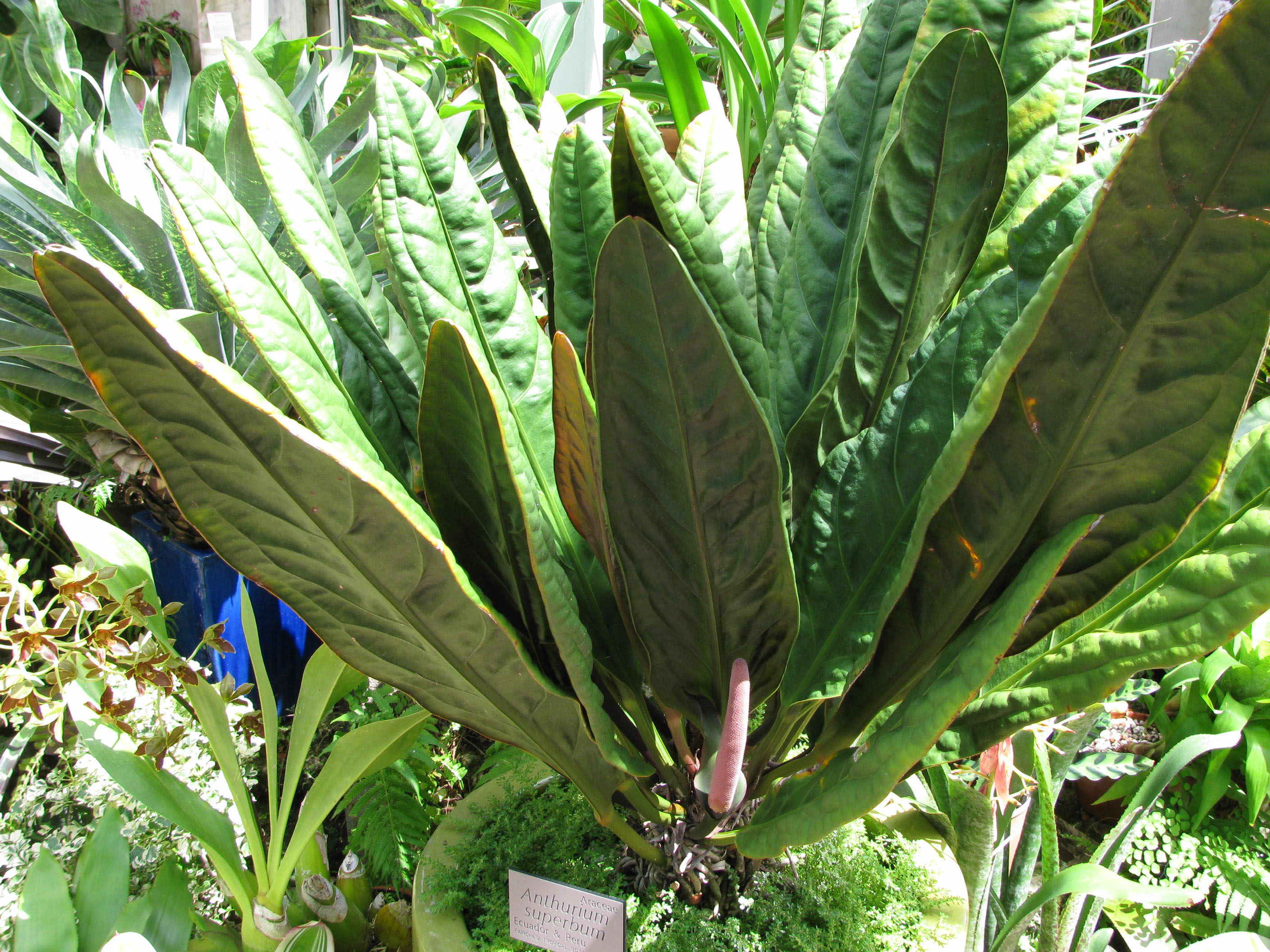
Anthurium Wendlingeri Rare Epiphytic Aroid Orchid Ally Tropical Plant

Anthurium Radicans Anthurium Plant Leaves Indoor Plants

Anthurium Luxurians X Radicans Hybrid PlantJungle In 2022

Anthurium Luxurians X Radicans Hybrid PlantJungle In 2022

NSE Tropicals The Collectors Plant Source Rare Anthuriums

Pin Oleh MrRadicans Di Plants Di 2021 Tanaman Indoor Tanaman Hias

Pin By MrRadicans On Anthurium Plant Leaves Indoor Plants Tropical

251 Best Images About Flowers Anthurium On Pinterest Longwood

Anthurium Radicans Foliage Plants Plants Container Plants

Anthurium Hookeri Anthurium Plant Anthurium Tropical Garden Plants

Anthurium Radicans
Posting Komentar untuk "Anthurium Radicans: An Exotic Plant That Will Leave You in Awe"