Picasso's Paintbrush Croton: A Masterpiece of Nature
Have you ever seen a plant that looks like it was painted by Picasso himself? If not, let me introduce you to the Picasso's Paintbrush Croton. This stunningly colorful and unique plant is a sight to behold, with its vibrant hues and distinctive leaves that resemble an artist's brushstrokes.
In this blog post, we'll dive deep into what makes the Picasso's Paintbrush Croton such a masterpiece of nature. From its origins to its care requirements, we'll cover everything you need to know about this fascinating plant.
A Brief History of the Picasso's Paintbrush Croton
The Picasso's Paintbrush Croton, also known as Codiaeum variegatum, is native to Southeast Asia and the Pacific Islands. It was first discovered by Western botanists in the 17th century and has since become a popular houseplant all over the world.
What sets the Picasso's Paintbrush Croton apart from other plants is its unique leaf shape and coloration. The leaves are typically long and narrow, with pointed tips and wavy edges. The colors can range from bright reds and oranges to deep purples and greens, often with intricate patterns and markings that resemble brushstrokes.
Characteristics of the Picasso's Paintbrush Croton
Here are some key characteristics of the Picasso's Paintbrush Croton:
- Medium-sized shrub or tree (can grow up to 10 feet tall outdoors)
- Broad leaves with wavy edges and pointed tips
- Leaves can be solid or variegated in color
- Colors can include red, orange, yellow, green, purple, and black
- Markings on leaves can resemble brushstrokes, spots, or stripes
- Grown for its ornamental value as a houseplant or outdoor landscaping plant
- Requires bright, indirect light and consistent watering
How to Care for Your Picasso's Paintbrush Croton
If you want to grow a Picasso's Paintbrush Croton of your own, here are some tips for caring for this unique plant:
Lighting
The Picasso's Paintbrush Croton requires bright, indirect light to thrive. It can tolerate some direct sunlight, but too much can scorch the leaves and cause them to lose their color. If you're growing your croton indoors, place it near a window that gets plenty of bright, filtered light.
Watering
The Picasso's Paintbrush Croton likes to be consistently moist but not waterlogged. Water your plant when the top inch of soil feels dry to the touch. Make sure the pot has drainage holes to prevent water from pooling at the bottom.
Soil
The Picasso's Paintbrush Croton prefers well-draining soil that is rich in organic matter. Use a high-quality potting mix or make your own by combining equal parts peat moss, perlite, and vermiculite.
Temperature and Humidity
The Picasso's Paintbrush Croton thrives in warm, humid environments. It prefers temperatures between 60-85°F (15-29°C) and humidity levels around 50%. If you're growing your croton indoors, consider using a humidifier to keep the air moist.
Fertilizing
The Picasso's Paintbrush Croton benefits from regular fertilization during the growing season (spring and summer). Use a balanced, water-soluble fertilizer every 2-3 weeks, following the package instructions for dosage.
Pruning
To keep your Picasso's Paintbrush Croton looking its best, prune it regularly to remove any dead or damaged leaves. You can also shape the plant by trimming back any leggy or overgrown branches.
Common Pests and Problems
Like all plants, the Picasso's Paintbrush Croton is susceptible to certain pests and problems. Here are some common issues to watch out for:
- Spider mites: These tiny pests can suck the sap from your croton's leaves, causing them to turn yellow and fall off. Treat with insecticidal soap or neem oil.
- Mealybugs: These white, cottony insects can also damage your croton's leaves and stems. Remove them manually or use an insecticidal soap.
- Root rot: Overwatering or poor drainage can cause root rot in your croton, which can be fatal. Make sure your pot has drainage holes and water only when the top inch of soil is dry.
- Leaf drop: If your croton's leaves are falling off, it could be due to a variety of factors, including overwatering, underwatering, cold temperatures, or low humidity.
Where to Buy a Picasso's Paintbrush Croton
If you're ready to add a Picasso's Paintbrush Croton to your plant collection, you can find them at most garden centers or online retailers. Look for healthy plants with vibrant colors and no signs of pests or diseases.
The Picasso's Paintbrush Croton is truly a masterpiece of nature, with its stunning colors and unique leaf shape. While it may require a bit more care than some other houseplants, the rewards are well worth it. With proper lighting, watering, and fertilization, your croton can thrive and become a true work of art.
Frequently Asked Questions
Q1. Can I grow a Picasso's Paintbrush Croton outdoors?
Yes, you can grow a Picasso's Paintbrush Croton outdoors in warm, humid climates. It prefers partial shade and well-draining soil.
Q2. How often should I fertilize my Picasso's Paintbrush Croton?
Fertilize your croton every 2-3 weeks during the growing season (spring and summer) with a balanced, water-soluble fertilizer.
Q3. What causes yellow leaves on my Picasso's Paintbrush Croton?
Yellow leaves can be caused by overwatering, underwatering, lack of light, or pests such as spider mites or mealybugs.
Q4. How often should I prune my Picasso's Paintbrush Croton?
Prune your croton regularly to remove any dead or damaged leaves and shape the plant as desired.
Q5. Can I propagate my Picasso's Paintbrush Croton?
Yes, you can propagate your croton by taking stem cuttings and rooting them in water or soil.
Q6. How big does a Picasso's Paintbrush Croton get?
A Picasso's Paintbrush Croton can grow up to 10 feet tall if grown outdoors in the right conditions.
Q7. What kind of potting mix should I use for my Picasso's Paintbrush Croton?
Use a well-draining potting mix that is rich in organic matter, such as a mix of peat moss, perlite, and vermiculite.
Q8. What kind of lighting does my Picasso's Paintbrush Croton need?
The Picasso's Paintbrush Croton requires bright, indirect light to thrive. It can tolerate some direct sunlight, but too much can scorch the leaves.
Q9. Can I grow a Picasso's Paintbrush Croton from seed?
It's possible to grow a croton from seed, but it can be difficult and time-consuming. Most people prefer to propagate their crotons from stem cuttings.
Q10. Is the Picasso's Paintbrush Croton toxic to pets?
Yes, the Picasso's Paintbrush Croton is toxic to pets if ingested. Keep it out of reach of dogs, cats, and other animals.
15 Picasso's paintbrush croton Images

1000 Images About Plantes Crotons On Pinterest Tropical Plants

Red Leaf Florida Plants Of The Smallest Croton Plants Is Mammy A

Great Tropical Plant For The Landscape And Especially Containers

1000 Images About Plantes Crotons On Pinterest

Avanti Landscaping Lighting Picassos Paintbrush Croton Landscape

Croton Picasso Paintbrush Garden Tropical Pinterest

63 Simple Container Garden Flowers Ideas 27 Mediadirectoryorg

Picassos Paintbrush Croton Plant Care Houseplant African Violets

NEW Dracaena Marley Sansevieria Frozen Croton Picassos
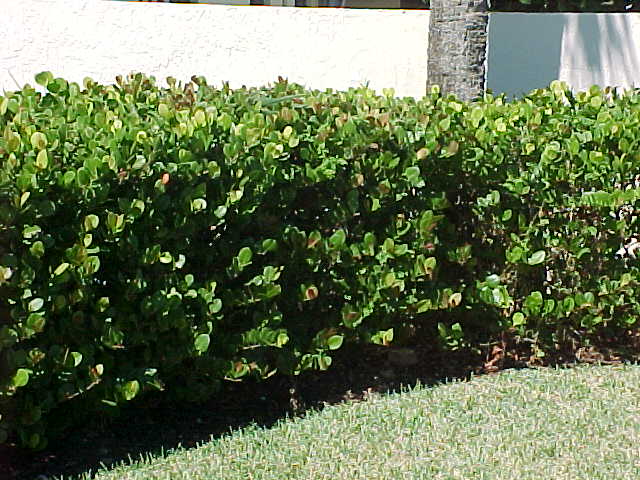
Red Tip Cocoplum Chrysobalanus Icaco Fertilizer March June

Croton Picassos Paintbrush Codiaeum Diy Plants

CrotonPicassos Paintbrush Tropical Design Trees To Plant Plants

PICASSOS PAINTBRUSH Croton Codiaeum Colourful Tropical Plant In 140mm

Codiaeum Variegatum Croton San Francisco Croton Plants Are

Picasso Paintbrush Croton Throw Pillow For Sale By Daniel JeanBaptiste
Posting Komentar untuk "Picasso's Paintbrush Croton: A Masterpiece of Nature"